



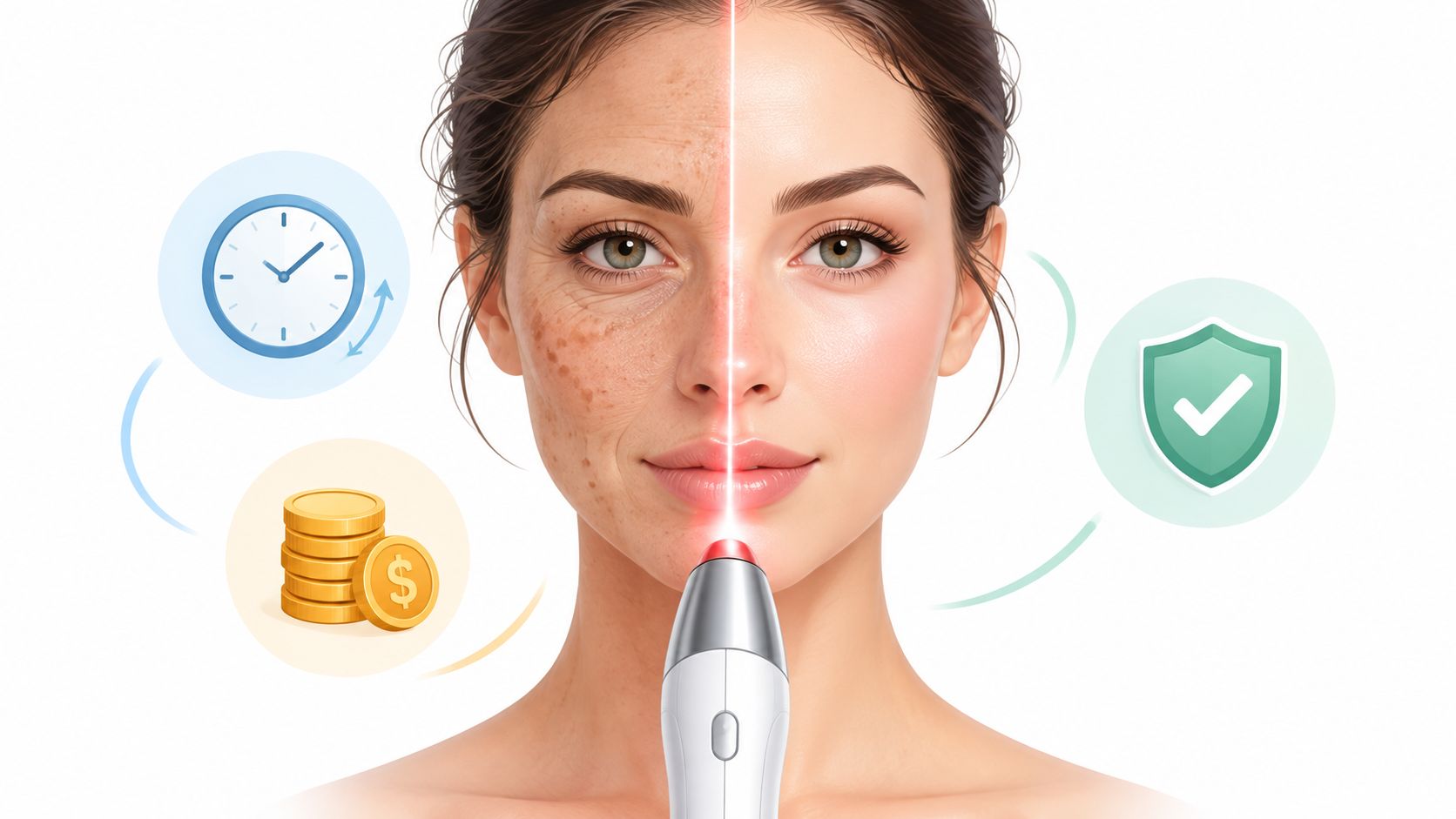
Laser resurfacing is worth it for texture, scarring, and sun damage when it's done on the right patient in a properly supervised clinic, but the honest answer depends on the total burden, not the sticker price alone. In South Africa, listed prices can run from about R550 to R5,800, and some Cape Town listings range from about R80 to R4,950, so the key question is whether the result justifies the full mix of cost, downtime, and follow-up, not whether one session looks affordable on paper.
Table of Contents
- The Honest Answer Up Front
- How Laser Resurfacing Actually Works
- What Laser Resurfacing Costs in South Africa
- What Recovery Actually Involves Day to Day
- Risks Nobody Should Gloss Over
- Alternatives to Consider Before Committing
- How to Decide if It Is Worth It for You
The Honest Answer Up Front
The simplest answer to is laser resurfacing worth it is this, sometimes yes, sometimes no, and the difference comes down to whether the treatment matches the problem. If the goal is smoother texture, softer wrinkles, less visible sun damage, or better-looking scars, resurfacing can be a worthwhile medical-aesthetic choice when a clinician selects the right depth and the skin can tolerate the recovery.
If the goal is a quick cosmetic refresh with almost no interruption to life, then resurfacing may feel like poor value. That's because the cost isn't only the clinic fee, it's also the time, the healing window, the need for sun discipline, and the possibility of repeat visits depending on how mild the settings are.
Core principle: laser resurfacing is worth it when the improvement is meaningful enough to justify the price, downtime, and operator dependence.
The decision should be built around four pillars. First, the result, what specific skin problem needs correction. Second, the cost, which varies widely by city, clinic, and treatment depth. Third, the recovery, which can be short or disruptive depending on how aggressive the treatment is. Fourth, the candidacy, because not every skin type or concern should be treated the same way.
That's also why a confident answer from a clinic needs more than a price list. A proper recommendation should consider skin tone, scar pattern, work schedule, and how well the provider manages patch testing and aftercare. In other words, the treatment is not “worth it” or “not worth it”. It is worth it only when the expected correction is big enough to justify the practical burden.
How Laser Resurfacing Actually Works
Think of skin resurfacing like restoring a weathered wooden deck. A more aggressive approach sands the top layer more thoroughly, while a gentler approach works in thin channels and leaves more of the surface intact. In both cases, the goal is controlled injury, because controlled injury tells the body to repair the area with new collagen and a smoother surface.
The main types in plain language
Ablative CO2 resurfacing removes the outer damaged layer and goes deeper into the skin than gentler options. It is the version people usually mean when they want a stronger correction for etched lines, rough texture, or significant sun damage.
Non-ablative resurfacing heats the deeper skin without removing the surface layer. That usually means less disruption, but also a softer result that may need more than one session.
Fractional or hybrid approaches treat only tiny columns or combine different energy patterns, so the untouched skin around each micro-zone helps the area heal faster. That's why fractional systems are often used when a clinic wants to balance effectiveness with recovery.
For a plain-language overview of how those options are grouped, the guide to compare laser resurfacing options is useful because it keeps the categories separated instead of treating every laser as if it does the same job.
The skin concerns that respond best are the ones tied to surface quality, not sagging. That includes texture, fine wrinkles, sun damage, and some acne scarring. A resurfacing treatment changes the skin itself, not the position of loose tissue.
The outcome depends heavily on who is holding the device and how the settings are chosen. South African market commentary notes that outcomes can weaken when practitioners are undertrained or settings are mismatched to skin type, which is why device quality and protocol matter as much as the laser category. A clinic using a CO2 platform may even advertise patch tests before treatment, which shows how cautious planning fits into the process, not just the sale. Omega Lasers CO2 treatment overview
Practical rule: stronger settings can produce stronger correction, but they also demand tighter aftercare and better patient selection.
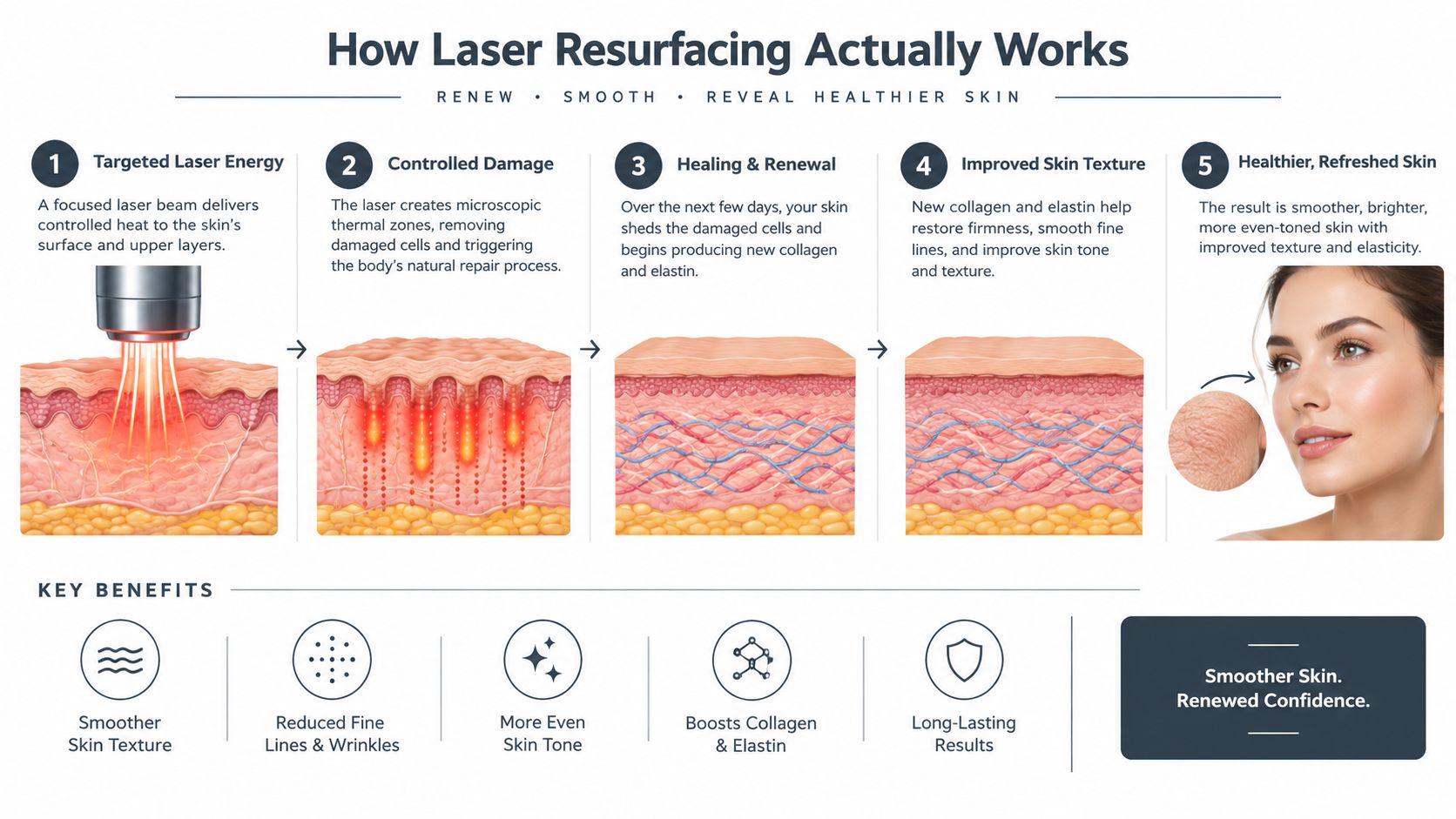
A realistic result is not instant perfection. It usually means a visible improvement in skin quality that becomes clearer as healing settles and collagen remodelling continues. For the right person, that can be enough to make the treatment feel worth it. For someone expecting a lift, a pore erasure miracle, or a no-downtime glow-up, it usually won't be.
What Laser Resurfacing Costs in South Africa
Could a lower treatment fee become the more expensive choice once travel, time off work, and follow-up care are included? South African prices vary too widely for one useful average. Listed fees range from about R550 to R5,800, while Cape Town listings range from about R80 to R4,950 and Durban listings from about ZAR 90 upward. These figures are broad guides, not like-for-like quotes. Clinic setting, treatment depth, treated area, and practitioner experience can all change the final bill. South African laser resurfacing listings
A concrete local package example
One Cape Town clinic advertises fractional resurfacing with a free consultation and patch tests, then lists R6,400 for the face, R8,000 for face and neck, and R10,600 for face, neck, and chest. Cape Town fractional resurfacing package pricing The figures show how quickly the fee rises as the treatment area expands. They also show why a quote for the face cannot be compared directly with a package covering the neck or chest.
Treatment depth changes the calculation too. A gentler session may cost less at the appointment but require more visits. A stronger treatment may cost more upfront and create a longer recovery period. The cheaper option on paper can therefore resemble a low-cost journey with several extra stops, while a higher quote may cover a more focused plan. The right comparison is the likely course of treatment, not one session in isolation.
The hidden costs people forget
A realistic budget includes repeat sessions, aftercare products, transport, and the value of time away from work. Some patients also need childcare, accommodation, or a second journey for review. Those practical costs matter more if the clinic is outside the patient's city or if sun avoidance limits normal plans.
Skin-barrier care may also be part of the recovery budget. Skin barrier aftercare support Products are only one part of the expense, but omitting them can make the original quote look artificially low.
Budgeting only for the treatment fee often underestimates the true cost of resurfacing.
The total burden combines money, leave, travel, sun planning, and confidence in the operator's settings and aftercare. For clinics, the question is whether the procedure can be delivered safely and consistently enough to justify offering it. For patients, the useful question is whether the complete plan fits both the wallet and daily life.
Laser Resurfacing Pricing at a Glance
| City/Area | Listed Price Range | Notes |
|---|---|---|
| South Africa overall | About R550 to R5,800 | Varies by clinic, city, and treatment depth |
| Cape Town | About R80 to R4,950 | Broad consumer spread |
| Durban | About ZAR 90 upward | Low entry pricing does not show treatment depth |
| Cape Town clinic package | R6,400 to R10,600 | Free consultation and patch tests included |
What Recovery Actually Involves Day to Day
Could the recovery schedule make an otherwise suitable treatment impractical? That question matters as much as the expected skin improvement. Non-ablative procedures typically involve little to no downtime, allowing a return to daily activities soon after treatment, although one to three days of redness may occur. Ablative CO2 resurfacing usually requires a few days of downtime, while some South African listings describe recovery lasting one to three weeks after deeper treatment. South African clinic guidance on recovery South African recovery listings
Recovery works like a short project with fixed constraints. The skin needs protection, the patient needs time, and the clinic may need to review progress or plan another session. A quoted treatment fee does not show whether those demands fit the patient's working week, travel distance, or home responsibilities.
What people actually need to plan for
The recovery window can affect leave from work, childcare, transport to repeat visits, and the ability to avoid sun exposure while the skin heals. In South Africa, sun avoidance is part of protecting recovering skin from avoidable pigment problems, not only a comfort preference.
Deeper treatment can therefore carry a larger total burden than its price suggests. A patient may accept visible redness but struggle with a week of disrupted routine, especially when treatment requires travel or family arrangements. Clinics also need to account for whether their team can provide clear aftercare and consistent follow-up. Operator quality affects the practical experience, not only the technical result.
Use this checklist before booking:
- Work schedule: can leave be taken without pressure to return too early?
- Home support: is help available for childcare, errands, or transport if the face is swollen or tender?
- Sun exposure: can outdoor time be reduced during healing?
- Follow-up access: is the clinic close enough for review or repeat sessions?
- Aftercare discipline: are cleansing, moisturising, and protection routines realistic at home?
If several answers are uncertain, treatment may still be possible, but the timing may be wrong. A gentler setting or another treatment may fit better when recovery is the main barrier.
If the recovery plan is vague, the treatment plan probably is not ready yet.
For someone with available time and reliable support, recovery may be manageable. For someone fitting treatment into a packed week, the burden can outweigh the expected benefit. The decision should combine the fee, leave, travel, sun planning, aftercare, and confidence in the clinic's preparation. Barrier repair and recovery support
Risks Nobody Should Gloss Over
Could a smoother-looking complexion create a longer problem? Laser resurfacing treats living skin, so the answer depends on energy, skin response, operator judgement, and healing. The most important concern for South African patients with darker skin tones is post-inflammatory hyperpigmentation, where inflammation leaves darker patches after treatment. Settings that are too aggressive, poor aftercare, or unnecessary sun exposure can increase that risk. Infection, prolonged redness, and scarring are less common, yet they remain possible when treatment or healing is poorly managed. South African market commentary on operator dependence and pigment risk
Why provider skill matters so much
A laser is not a self-correcting machine. The practitioner must select an appropriate device, assess the skin, set the energy, and recognise when a planned treatment needs to be gentler. That is why specialist dermatology and medical-aesthetic practices in Cape Town, Durban, Stellenbosch, and Johannesburg commonly handle resurfacing. Patient selection, patch testing, and follow-up are part of safe treatment, not decorative extras. Clinics may also differ in how clearly they explain preparation, package details, and what happens if the skin reacts unexpectedly. Cape Town clinic patch testing and package details South African specialist practice context
Ask the following before booking:
- Who performs the treatment, and what training do they have with this device?
- Is patch testing used before the full session?
- How is skin type assessed before settings are chosen?
- What aftercare is provided if redness, pigment change, or irritation develops?
- What is the plan if the first session is too aggressive or too mild?
These questions help separate a carefully managed procedure from one where the patient carries the uncertainty. They also expose hidden burden. A complication can mean extra reviews, delayed return to work, altered travel plans, and further sun avoidance, turning a cheaper quote into a more demanding overall experience.
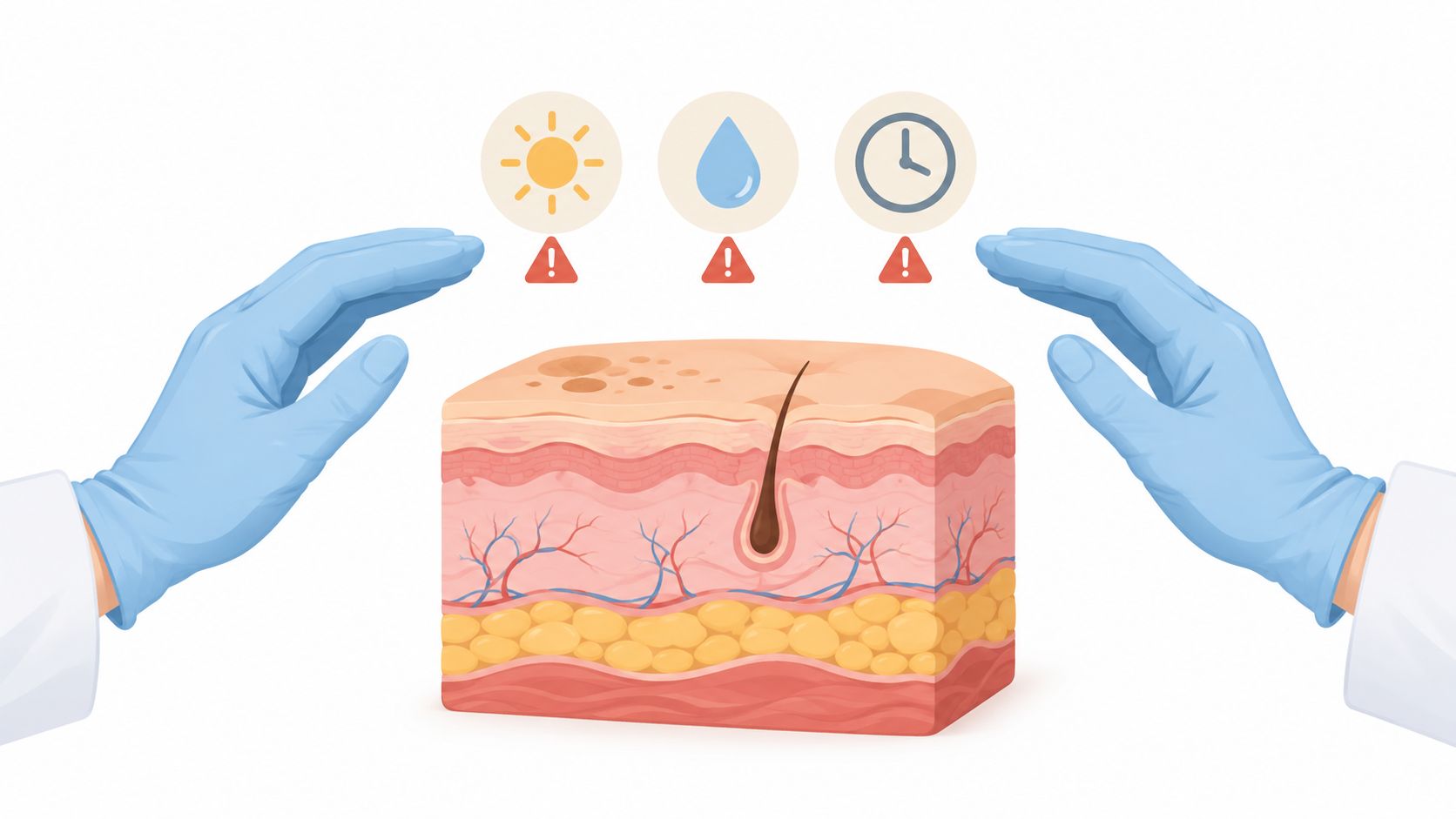
Resurfacing is not harmless. It is usually a reasonable option when the patient is suitable, the device fits the concern, the practitioner is experienced, and aftercare is taken seriously. That standard gives price, convenience, and expected improvement the right context.
Alternatives to Consider Before Committing
Is laser resurfacing the right tool for the problem, or the most intensive option available? Professional chemical peels, microneedling, RF microneedling, and home-use devices may all have a place. The sensible choice depends on how deep the concern is, how much change is wanted, and how much time, sun avoidance, and uncertainty the patient can accept.
Compare the treatment, not just the machine
A home-use device may look cheaper on paper, but price is only one part of the calculation. A professional procedure can involve consultation, treatment sessions, recovery days, transport, time away from work, and stricter protection from South Africa's sun. A lower-intensity option may cost less and fit more easily around travel or work, even if its improvement is slower or less pronounced.
The professional versus home-use comparison cited in South African professional versus home-use comparison illustrates why supervision and energy delivery matter. The findings concern hair reduction rather than facial resurfacing, so they cannot predict resurfacing results. They do support a broader point: consumer devices and professionally controlled treatments should not be judged as interchangeable.
Resurfacing versus the alternatives
| Treatment | Typical Results | Downtime | Cost Bracket |
|---|---|---|---|
| Laser resurfacing | Stronger correction for texture, wrinkles, sun damage, and scars | From little to several days, sometimes longer for deeper treatment | Mid to high |
| Professional chemical peels | Surface renewal and mild uneven tone | Usually shorter than deeper resurfacing | Low to mid |
| Microneedling | Gradual improvement in texture and mild scarring | Usually limited | Low to mid |
| RF microneedling | More targeted tightening and texture support | Limited to moderate | Mid |
| Home-use devices | Mild maintenance support and less dramatic change | Minimal | Low |
A peel or microneedling course may suit early changes, a tight budget, or a schedule that cannot absorb visible healing. RF microneedling may be considered when tightening and texture are both concerns, while home-use devices are better viewed as maintenance rather than a replacement for clinical treatment.
For clinics, the same comparison is operational as well as clinical. Offering a stronger procedure makes sense only when the team can select suitable patients, set realistic expectations, and provide consistent support through recovery. The device creates possibilities. The protocol, practitioner skill, and follow-up determine whether those possibilities become worthwhile results.
How to Decide if It Is Worth It for You
The personal decision comes down to four questions. Is the concern something resurfacing improves. Can the budget absorb the full course, not only one session. Can the schedule absorb the downtime and healing logistics. And is the provider qualified enough to handle the skin type safely, including patch testing and aftercare?
That framework is also useful for clinics deciding whether to offer resurfacing commercially. A treatment is only worth adding if the team can deliver it predictably, explain the trade-offs openly, and support patients through healing. A badly executed resurfacing service creates complaints, not loyalty.
For patients, the most honest answer is often a simple one. If the problem is surface damage and the person can afford both the price and the recovery, resurfacing can absolutely be worth it. If the main barriers are time, sun exposure, uncertainty, or a milder concern, a different option may offer better value.
A useful final check is to review real treatment examples and outcomes before booking, including the kind of before-and-after expectations shown in laser resurfacing examples and timing. That won't replace a consultation, but it helps turn a vague hope into a practical decision.
Omega Lasers supplies fractional and resurfacing-focused technology for clinics that need reliable treatment platforms and proper training around use, support, and aftercare. For a clinic or practitioner weighing whether resurfacing belongs in the treatment menu, visit Omega Lasers to review the available systems and speak with a team that works with aesthetic providers.