




Dermapen microneedling is a professional skin rejuvenation treatment that uses a specialised device to create thousands of controlled micro-injuries in the skin. This process kick-starts the body's own natural healing response, firing up the production of new collagen and elastin.
The result? Visibly improved skin texture, a reduction in the appearance of scars, and softer fine lines, leaving clients with a smoother, firmer, and more youthful complexion.
Table of Contents
- How Dermapen Microneedling Renews the Skin
- Identifying Ideal Candidates for Treatment
- Executing the Dermapen Treatment Protocol
- Safety and Compliance: The Non-Negotiables of Microneedling
- Turning Microneedling into a Pillar of Your Clinic’s Business
- Common Questions About Dermapen Treatments
How Dermapen Microneedling Renews the Skin
To get your head around how microneedling works, think of your skin as a garden lawn that's become a bit compacted and patchy over time. A Dermapen device acts like a high-tech aerator, creating thousands of tiny, perfectly vertical channels deep into the dermis. This controlled “injury” is the secret sauce—it’s the catalyst for a powerful, natural renewal process.
This treatment doesn’t rely on harsh chemicals or foreign substances. Instead, it cleverly prompts the skin to repair and rebuild itself from the inside out. It triggers a biological chain reaction known as the wound-healing cascade, a three-phase process that systematically regenerates healthier, better-organised skin tissue. This is precisely why the results are so impressive.

The Three Phases of Skin Regeneration
The skin’s response to a Dermapen treatment isn't random; it unfolds in three distinct and predictable stages. Each one is essential for achieving that final, rejuvenated result.
Inflammation: Right after the treatment, the body sends an emergency response team of immune cells and growth factors to the area. This initial phase effectively cleans out the micro-injuries and signals the start of the repair cycle.
Proliferation: Over the next few days, the real construction begins. Fibroblasts get the signal to start producing new collagen, elastin, and other building blocks of the skin's matrix. A completely new, stronger foundation is being laid.
Remodelling: This final stage is the longest, continuing for several months post-treatment. The newly formed collagen (Type III) is gradually replaced by the stronger, more organised Type I collagen. This leads to lasting improvements in skin firmness, texture, and elasticity.
This orchestrated process is why results from Dermapen microneedling aren't just immediate—they're progressive. The skin continues to improve for weeks and months after a session as the new collagen network matures and strengthens.
Modern Dermapen technology ensures this process is both incredibly effective and safe. Unlike older methods like manual rollers, which can create crude, tearing, "V"-shaped channels, a professional Dermapen device creates clean, vertical micro-injuries. This precise, consistent penetration minimises damage to the epidermis while maximising the regenerative signal sent to the dermis, setting a new standard for collagen induction therapy.
The demand for this procedure is a direct reflection of its clinical success. For clinics in South Africa, this isn’t just a trend; it's a solid commercial opportunity. Globally, the microneedling market was valued at USD 472.34 million back in 2020 and was projected to surpass USD 807 million by 2025. Today, those figures have been easily eclipsed as the treatment's popularity continues to surge, proving it’s a core service with strong, ongoing growth potential.
Identifying Ideal Candidates for Treatment
Great results with Dermapen microneedling don't start with the treatment itself; they start with a rock-solid client consultation. Knowing who to treat—and, just as importantly, who not to treat—is what separates a successful clinic from a struggling one. This is about more than just managing expectations; it's about safeguarding your clients and your clinic's reputation.
Not everyone who walks through your door is a good candidate. Mastering the indications and contraindications is non-negotiable. It’s the framework that ensures you deliver safe, effective treatments that build trust and drive referrals.
Primary Treatment Indications
Dermapen microneedling is a workhorse treatment precisely because it’s so versatile. It excels at tackling some of the most common and stubborn skin concerns by rebooting the skin’s natural regeneration processes to build new collagen and remodel tissue.
Your ideal candidates are usually those looking to sort out:
- Atrophic Acne Scars: This is where microneedling truly shines. It’s one of the most effective ways to break down the old, pitted scar tissue and stimulate fresh, smooth collagen to fill in those depressions.
- Fine Lines and Wrinkles: By triggering a new wave of collagen and elastin production, Dermapen treatments are fantastic for softening lines, especially the stubborn ones around the eyes (periorbital) and mouth (perioral).
- Uneven Skin Texture and Enlarged Pores: For clients complaining about rough skin or prominent pores, microneedling helps by creating a stronger, denser dermal layer, which tightens the surface and makes pores appear smaller and more refined.
- Striae (Stretch Marks): While stretch marks are notoriously difficult, microneedling can make a real difference. It works by promoting new tissue growth within the scarred dermal tears, often improving both their texture and colour.
- Surgical or Traumatic Scars: Much like with acne scars, the treatment helps to remodel the disorganised collagen fibres in old surgical or injury scars, making them blend in better and become far less noticeable.
This powerful ability to kick-start natural healing makes it a go-to solution for these issues. For an even closer look during your consultations, you can get powerful diagnostic insights with an advanced skin analyser machine.
Assessing Patient Suitability
Identifying a skin concern is just the first step. Next, you need to confirm the client is a safe candidate for the procedure. The Fitzpatrick scale, which classifies skin according to its reaction to UV light, is a fundamental tool here.
A huge advantage of Dermapen microneedling is its safety profile across all Fitzpatrick skin types, from I to VI. Unlike certain lasers that can pose a risk of post-inflammatory hyperpigmentation (PIH) in darker skin, microneedling's mechanism is much gentler on melanocytes, making it a reliable choice for skin of colour.
But a proper consultation goes much deeper than skin type. You have to ask the right questions about medical history, medications, and lifestyle to uncover any red flags that could compromise the treatment's safety or outcome.
Critical Contraindications to Consider
Client safety is always your number one priority. There are specific conditions and medications that make microneedling a bad idea, and you absolutely must screen for them before ever picking up the device.
Absolute Contraindications (Do Not Treat):
- Active acne, cold sores, warts, or any skin infection (bacterial, viral, or fungal) in the area. Treating over these can spread the infection and cause serious problems.
- A known history of keloid or hypertrophic scarring. The controlled trauma of microneedling could trigger the exact kind of excessive scarring you want to avoid.
- Use of isotretinoin (e.g., Roaccutane) within the last 6 months. This medication significantly impairs the skin's healing process.
- Scleroderma, collagen vascular diseases, or other autoimmune conditions that directly affect the skin’s ability to heal properly.
- Active skin cancer in the treatment area.
Relative Contraindications (Proceed with Caution):
- Use of anticoagulants (blood thinners) may increase the risk of pinpoint bleeding and bruising. A discussion with the client and possibly their doctor is needed.
- Recent sun exposure or sunburn. The skin is already inflamed and compromised. Wait until it has fully recovered.
- Pregnancy or breastfeeding. Hormonal fluctuations can affect skin sensitivity and healing, so it’s generally best to wait.
By mastering this consultation process, you’ll be able to confidently select the right candidates, set goals you know you can achieve, and ensure every microneedling treatment is a win for both your client and your clinic.
Executing the Dermapen Treatment Protocol
A successful Dermapen treatment is where science meets skilled application. Getting it right guarantees not just incredible skin rejuvenation for your clients, but also ensures their safety and comfort from start to finish. Think of it as a repeatable, clinical workflow you can master.
Each part of the process builds on the last, from cleansing the skin to choosing the perfect needle depth. If you rush or skip a step, you risk compromising the entire result. This is what separates a basic service from a professional Dermapen microneedling experience that clients will pay for and return for.
Pre-Treatment Preparation
Before your Dermapen even powers on, you need to set the stage. The goal here is simple: create a clean, safe, and comfortable canvas for the treatment. This phase is non-negotiable for preventing complications and making the client feel at ease.
Start with a quick but thorough skin check, even if you did a full consultation previously. You’re looking for any last-minute surprises, like a sudden breakout or sunburn, that might mean you have to postpone.
Once you get the all-clear, the skin needs to be meticulously cleansed. Every trace of makeup, oil, and daily grime must go.
Next, apply a high-quality topical anaesthetic to ensure your client is comfortable. Be generous with the application and let it work its magic for the recommended time, usually around 20–30 minutes. You can find more details on choosing the right product in our guide to effective topical numbing creams. After the skin is numb, you must remove the cream completely before cleansing the area again with an antiseptic solution to create a sterile field.
The infographic below highlights the critical thinking that should happen long before you reach this stage.
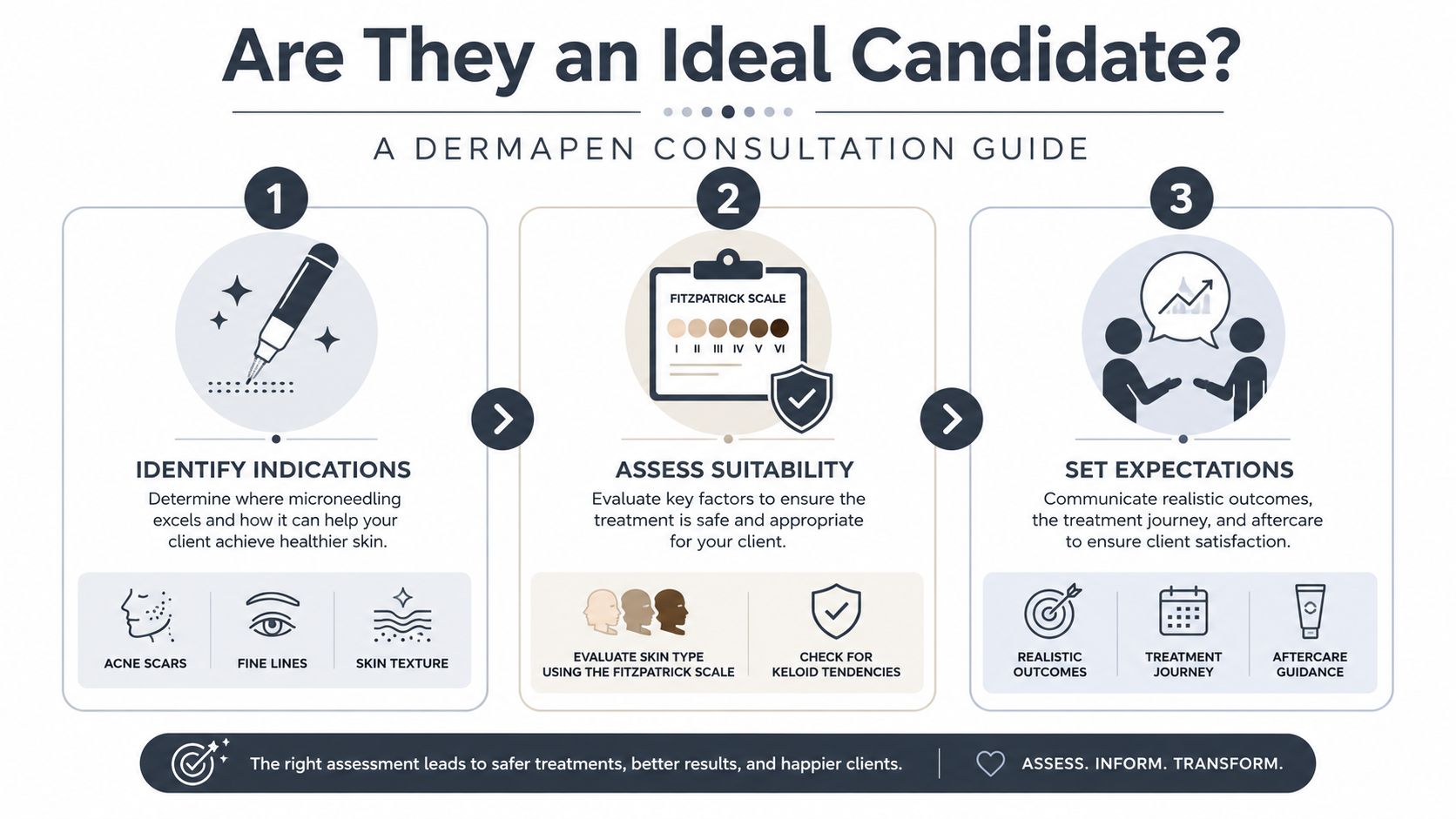
As you can see, the practical steps of the treatment are built on a solid foundation of careful client assessment and managing their expectations.
Mastering Device Settings and Application
With the skin prepped and ready, your focus now shifts to the technical side of the treatment. This starts with selecting a sterile, single-use needle cartridge and a suitable glide medium. A hyaluronic acid-based serum is a great choice because it helps the device move smoothly over the skin while delivering a dose of hydration.
You can also enhance the treatment by understanding how to combine peptides and microneedling, which gives the skin the building blocks it needs for repair and regeneration.
The most important skill you'll develop is adjusting the device's speed and, most critically, its needle depth. These settings have to be customised for both the treatment area and the specific skin concern you’re targeting.
Key Takeaway: There is no single "correct" setting for a Dermapen treatment. A skilled practitioner must constantly adjust the needle depth to match the skin's thickness and the specific issue in each part of the face.
For example, tackling dense scar tissue on the cheeks requires a much deeper needle setting to effectively break down that fibrous tissue and kick-start collagen remodelling. In contrast, the delicate skin around the eyes needs a very shallow setting to avoid injury. A methodical, grid-like pattern is the best way to ensure you get even, consistent coverage across the entire area.
Reference Guide for Needle Depth Settings
The table below is a handy reference for common needle depth settings. Think of these as starting points—your clinical judgement and the client's skin response should always be your final guide.
| Treatment Area | Target Condition | Recommended Depth Range (mm) |
|---|---|---|
| Forehead | Fine Lines, Texture | 0.25 – 0.75 |
| Periorbital (Around Eyes) | Crow's Feet, Fine Lines | 0.25 – 0.5 |
| Nose | Enlarged Pores, Texture | 0.25 – 0.75 |
| Cheeks | Acne Scars, Laxity, Pores | 0.5 – 1.5 |
| Perioral (Around Mouth) | Smoker's Lines | 0.25 – 1.0 |
| Neck & Décolletage | Laxity, Sun Damage | 0.5 – 1.5 |
| Body (e.g., Striae) | Stretch Marks, Scars | 1.5 – 2.5 |
By following this structured protocol, you ensure every Dermapen microneedling treatment is performed safely and effectively, cementing your reputation as a true professional.
Safety and Compliance: The Non-Negotiables of Microneedling
In the aesthetics industry, your reputation is built on trust and results. When it comes to procedures like Dermapen microneedling, patient safety and regulatory compliance aren’t just best practices—they're the absolute bedrock of a successful clinic. Getting this right protects your clients and cements your status as a professional, trustworthy provider.
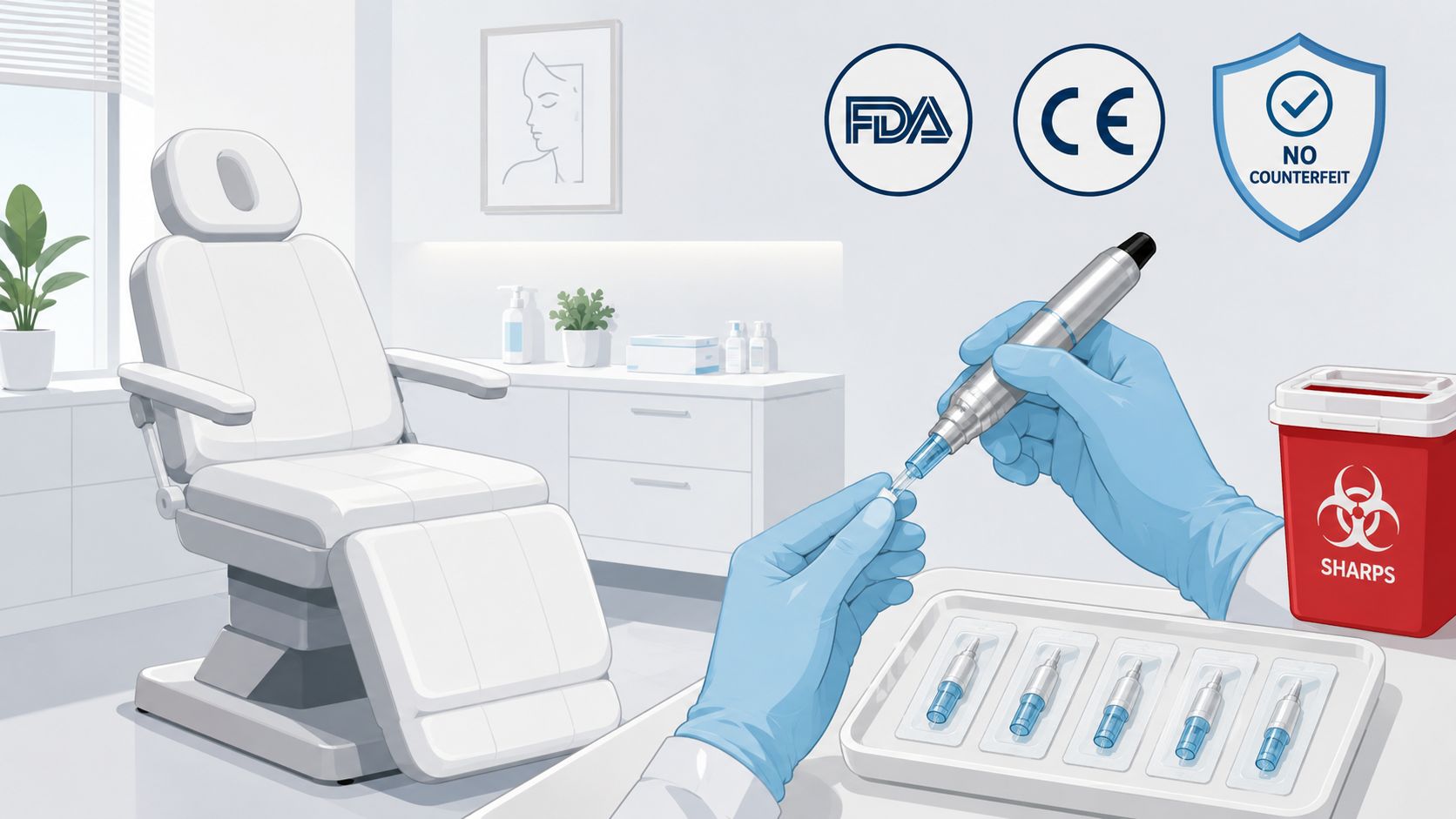
The temptation to cut corners with cheaper devices or unverified consumables is a fast track to disaster. Using counterfeit pens or non-sterile needle cartridges opens the door to infection, cross-contamination, and permanent skin damage. These knock-off tools don't create clean micro-channels; they tear and scratch the skin, leading to poor results, scarring, and a ruined reputation.
Creating a Sterile Treatment Room
A sterile environment is non-negotiable for safe microneedling. Every treatment must happen in a dedicated, hygienic space where all surfaces are wiped down with a hospital-grade disinfectant. This is about preventing pathogen transfer, not just looking tidy.
Your sterility checklist should include these fundamentals:
- Single-Use Needles: Always use a new, sterile, individually sealed needle cartridge for every client. There is zero room for compromise here.
- Practitioner Hygiene: Wash hands thoroughly and put on a new pair of disposable gloves before starting any treatment.
- Skin Prep: The client’s skin must be properly cleansed and sanitised with an appropriate antiseptic solution before the needles make contact.
Disposal is just as critical as preparation. Once the treatment is over, all single-use items, especially the needle cartridge, must go straight into a designated sharps container, following local biohazard waste laws.
Keeping Up with Health Regulations
Regulatory bodies worldwide are finally treating microneedling with the seriousness it deserves. For South African practices, this means aligning with SAHPRA guidelines while also looking to the standards set by international bodies like the FDA and CE for guidance on best practices.
For instance, the U.S. FDA has officially authorised microneedling devices for specific indications, such as improving the look of facial acne scars, wrinkles, and abdominal scars in patients aged 22 or older. They also acknowledge common, short-term side effects like redness and peeling, which highlights the need for clear client communication. Keeping informed on official device classifications and safety updates is part of running a professional clinic.
By treating Dermapen microneedling with the clinical respect it deserves, you commit to the highest standard of care. This means using compliant, professional-grade systems and ensuring your team is expertly trained to follow protocols without deviation.
Ultimately, this focus on safety is about more than just ticking boxes for regulators. It builds powerful trust with your clients, proving your commitment to their well-being. That reputation for excellence is what keeps clients coming back and referring others—and that's priceless.
Turning Microneedling into a Pillar of Your Clinic’s Business
Mastering a Dermapen microneedling treatment is a clinical skill. Turning that skill into a profitable, reliable part of your business? That's a different game altogether. It’s not just about what you do in the treatment room; it’s about having a smart plan for positioning, packaging, and promoting the service to bring clients through the door and deliver a strong return on your investment (ROI).
The trick is to stop thinking of microneedling as a single service and start seeing it as a versatile tool for growth. When you build a solid business framework around this treatment, you create a revenue stream that's both predictable and incredibly valuable. To properly launch any new service, building a powerful brand identity is non-negotiable, and leaning on digital branding expertise can give you a serious competitive edge.
How to Structure Your Service Offerings
Sure, a single Dermapen microneedling session can give clients a nice glow. But the real magic—and the best business results—come from a structured course of treatments. This is where you need to be strategic with your packages. Forget selling one-off appointments and start building client commitment.
We always advise offering packages of 4 to 6 sessions, spaced about 4-6 weeks apart. This isn’t just better for the client; it’s brilliant for your business. Here’s why:
- Predictable Revenue: Selling a package means you secure that income upfront. No more unpredictable monthly dips; you’ve created a smoother cash flow.
- Client Commitment: Once a client buys a package, they are committed. They'll follow through, show up for appointments, and see the journey to the end.
- Seriously Good Results: True collagen remodelling doesn't happen overnight. A full course ensures your clients get the significant, long-term changes they’re paying for, which turns them into your biggest fans.
This model shifts microneedling from a quick transaction to a client-focused journey. And it's a journey rooted in solid science, not a fleeting trend. This is a key selling point for South African aesthetic businesses. You're offering treatments built on over a century of development in collagen induction, not just another beauty fad.
Smart Pricing and Boosting Your ROI
Getting your pricing right is make-or-break. You have to find that sweet spot that covers your costs, hits your profit targets, and still feels right for your local market.
Your pricing strategy needs to factor in:
- Consumables: The cost of every sterile, single-use needle cartridge, your glide serums, and other disposables adds up.
- Practitioner Time: Your team’s expertise and time are valuable. Price it accordingly.
- Overheads: Rent, electricity, marketing—all the costs of keeping the lights on.
- Your Market Position: Are you the premium, high-end clinic or the accessible, high-volume option? Your pricing should reflect that.
A simple but effective strategy is to offer a slight discount on packages. For instance, you could price a package of six sessions at the cost of five. This gives clients a clear incentive to commit to the full plan for better value. And as you gather more client and sales data, having solid systems to manage it becomes critical. Our guide on effective data collection methods can help you streamline your clinic's operations.
The most profitable clinics don't just sell Dermapen microneedling on its own. They position it as a complementary treatment that can be "stacked" with other services, like post-treatment LED light therapy to speed up healing and boost results. This approach not only delivers a better clinical outcome but also dramatically increases the revenue from every single client visit.
Finally, remember that your results are your best marketing tool. Start building a portfolio of high-quality, consent-based before-and-after photos. Nothing sells a treatment faster than undeniable visual proof of the incredible results you can deliver. When you combine smart packaging, savvy pricing, and results-focused marketing, Dermapen microneedling will become a cornerstone of your clinic’s success.
Common Questions About Dermapen Treatments
Even when you’ve mastered the science behind Dermapen microneedling, clients will always have practical questions. Answering them with confidence is what separates a good practitioner from a great one—it builds trust, manages expectations, and solidifies your clinic’s authority.
Think of this section as your cheat sheet for the most common queries. Having these clear, straightforward answers ready will make your consultations smoother and help clients feel secure in their decision to move forward with a treatment plan.
How Much Downtime Should a Client Expect?
This is almost always the first question clients ask, and the answer is one of the biggest selling points of professional Dermapen microneedling: the downtime is minimal.
Immediately after a session, the skin will look pink or red, much like a mild sunburn. This is completely normal and usually fades significantly within the first 24 hours.
- First 24-48 Hours: Expect some mild redness, a feeling of tightness, and sensitivity. Most clients can go about their daily lives the very next day. Just advise them to skip strenuous exercise, saunas, or direct sun exposure.
- Days 3-5: The skin might feel a bit dry or show some light flaking. This isn’t a side effect to worry about; it’s a positive sign that old cells are shedding and new, healthy skin is on its way.
The key is to stress the importance of using only gentle, recommended skincare and a broad-spectrum sunscreen religiously during this healing phase.
Is the Dermapen Treatment Painful?
Let's be honest, the word "needles" can make anyone a little nervous. However, a properly performed Dermapen treatment should not be a painful experience.
Before you begin, a high-quality topical anaesthetic cream is applied to the treatment area for 20-30 minutes. This effectively numbs the skin’s surface. Your client will likely only feel a slight vibration or a mild, tolerable prickling sensation as the device glides over their skin. Most people are pleasantly surprised by how comfortable it is.
How Many Treatments Are Needed and How Often?
Dermapen results are progressive—they get better with each session. While a single treatment can give the skin a beautiful boost in brightness and texture, a series of treatments is what creates real, lasting change for more significant concerns.
The gold standard for most conditions is a course of 4 to 6 treatments. This allows the full cycle of collagen remodelling to take place, delivering the best possible results for issues like acne scarring, fine lines, and wrinkles.
These sessions should be spaced 4 to 6 weeks apart. This timing is critical. It gives the skin enough time to heal and start rebuilding before the next treatment triggers the process all over again, compounding the benefits.
What Kind of Results Can Realistically Be Expected?
Managing expectations is the foundation of client satisfaction. Dermapen microneedling delivers incredible, visible improvements, but it’s not an overnight miracle. The final result depends on the client’s skin condition, age, lifestyle, and how well they stick to the treatment plan.
Here’s what a client can realistically look forward to:
- Improved Skin Texture and Tone: Skin will look and feel smoother, more radiant, and more even. Many also notice that their pores appear smaller.
- Softening of Fine Lines: As new collagen plumps the skin from the inside out, wrinkles and fine lines become less noticeable.
- Reduction in Scars: Over a series of treatments, atrophic acne scars and other pitted scars become shallower and far less visible.
- Firmer Skin: Clients will see a definite improvement in skin laxity and an overall firmer, more lifted appearance.
It’s important to explain that these results appear gradually. The real magic happens over several months as the new collagen network fully matures.
Can Microneedling Be Combined with Other Treatments?
Absolutely. In fact, Dermapen microneedling is an exceptional team player. Integrating it with other modalities can amplify results far beyond what a single treatment could achieve on its own.
For example, many top clinics alternate Dermapen sessions with gentle, non-ablative laser treatments to tackle both texture and pigmentation at the same time. Another popular combination is adding post-treatment LED light therapy to calm inflammation and give collagen production an extra boost, enhancing the final outcome.
Ready to offer your clients the incredible skin rejuvenation benefits of a professional, compliant microneedling system? At Omega Lasers, we provide more than just advanced, SAHPRA-licensed technology. We partner with your clinic to ensure success through comprehensive training, marketing support, and expert guidance. Discover how our devices can elevate your practice by visiting us at https://omegalasers.co.